
Supply Chain Nomad Mode: Who Knows What Happens Next Month?
The global logistics landscape in 2026 is facing unprecedented volatility, with conflict in the Middle East causing the largest supply disruption in history. Geopolitical instability is now a “new normal,” challenging the reliability of global supply chains through shifting alliances and trade barriers.
For industries like transportation and construction, these disruptions translate directly into rising costs and unpredictable delivery timelines. Managing a complex mix of fleet types and cargo across unstable regions requires a level of control that manual processes can no longer provide.
To survive in this “nomadic” business environment, companies must transition from reactive to predictive operations. AI has become the essential operational partner, capable of consolidating massive data feeds into real-time, money-saving insights that reduce unscheduled repairs by up to 30% and optimize fuel consumption even under variable conditions.
🚨 Supply Chain Nomad Mode: Navigating the 2026 Crisis
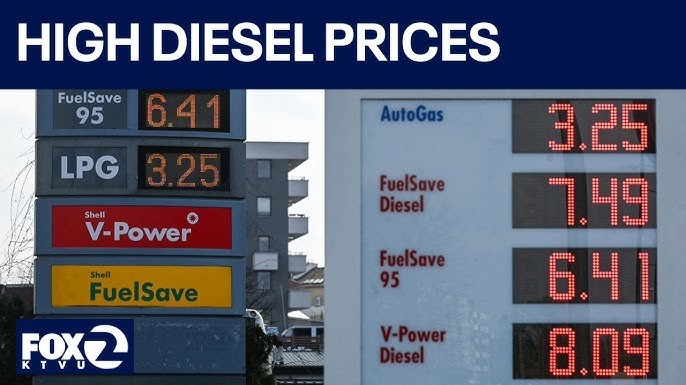
Gas prices went up, Global Supply Chain Uncertainty increased—who can know what happens next month?
Do you have a reliable or resilient system that provides the power of control? We are watching the Iran war, which is the starting point for a massive wave of supply chain disruption. While we are all connected, we must find the next safe and reliable business spot to move on.
Business has entered a “nomadic mode,” where we must constantly move to avoid risk. The reliability of the global supply chain is being challenged; government policies and systems are in flux, and foundations like theft prevention, gas prices, and tariffs are shaking. Predicting next month’s environment has become impossible.
Why the Fleet Industry is Most Vulnerable:
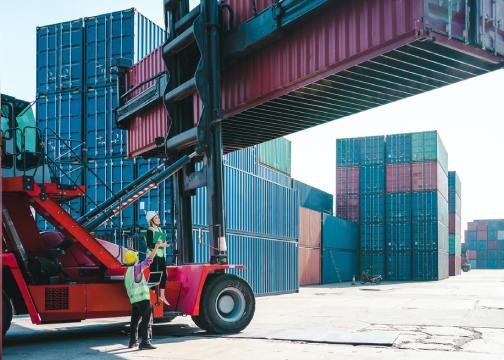
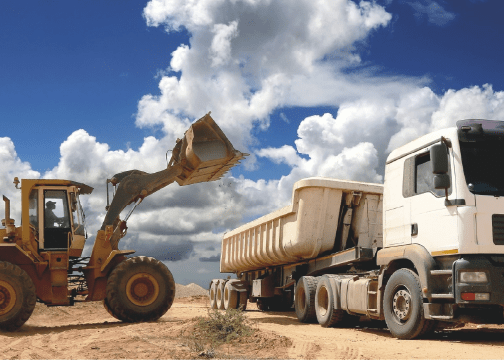
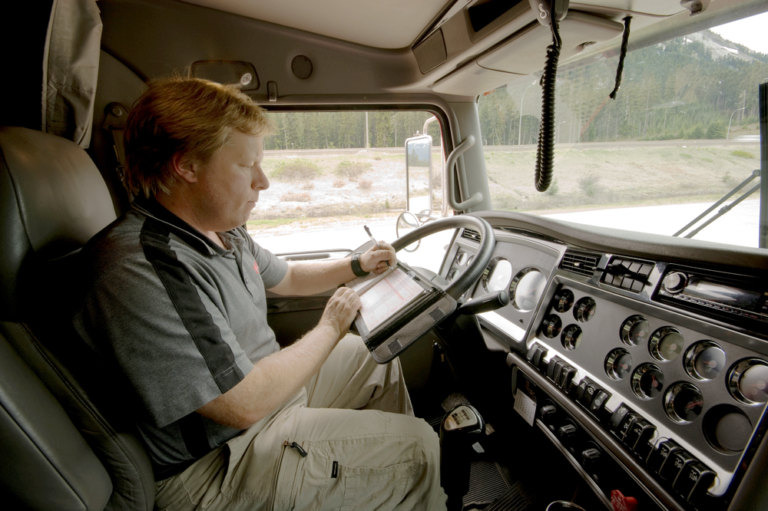
Supply chain, transportation, construction, and metro services are especially susceptible. They must operate a combination of diverse fleet types and cargo across uncontrolled environments with volatile pricing. This high level of complexity makes it difficult to maintain a cohesive strategy in an uncertain landscape.
The Solution: Power of Control Through AI
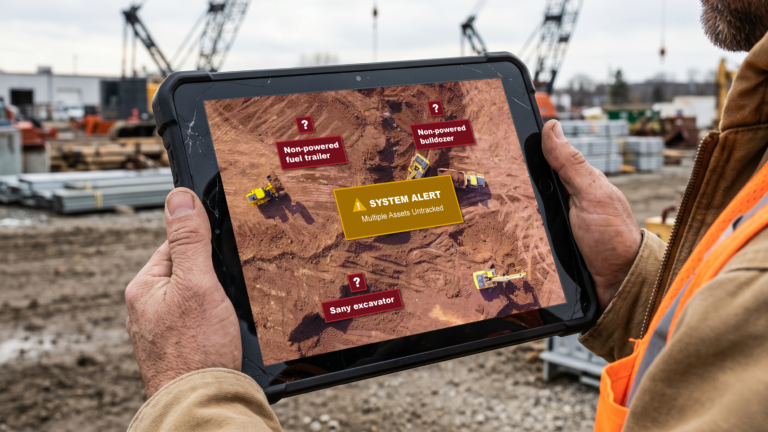
If you have a fully consolidated, real-time, and automated solution, you regain the power of control. Operating such a system no longer requires more manual resources. By integrating your operations and letting AI answer your queries, you gain a partner that actually grows stronger as complexity increases.
From FleetUp’s control layer to item-level cargo tracking, now is the time to integrate and operate with AI to build a sustainable cost-saving strategy for the future.
[Summary of Key 2026 Market Drivers]
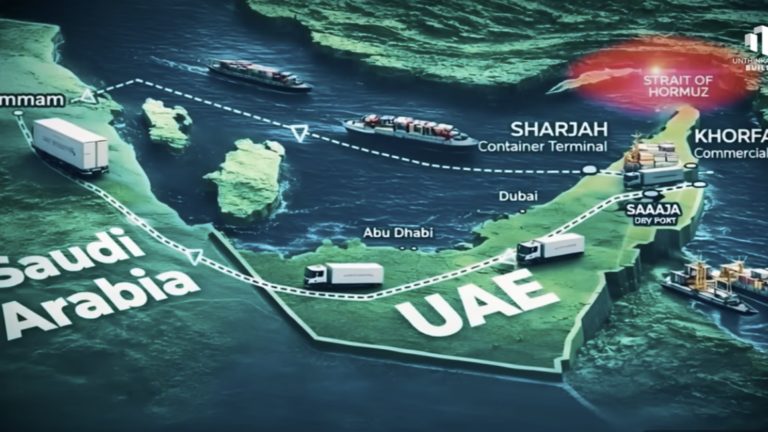
- Massive Disruption: The Iran war and the closure of the Strait of Hormuz have created the greatest global energy security challenge in history.
- Cost Volatility: Diesel and jet fuel prices have doubled due to crude oil shortages, while Brent crude has surged past $120 per barrel.
- Predictive Shift: Successful fleets in 2026 are using AI to cut costs by predicting maintenance needs and identifying hidden inefficiencies in real-time.
In an era of total uncertainty, the successful Nomad is the one who possesses the fastest and most accurate map.
Consolidating provides the clarity needed to see through the chaos. Embedding ensures your execution is deeply integrated into your workflows. Operating with FleetUp AI empowers your business to analyze, decide, and act autonomously
This is the only engine capable of driving the Nomad business model for the future. Secure your uninterrupted Power of Control with FleetUp today.